What Darshan Means at Trimbakeshwar: A Complete Guide to the Jyotirlinga, Temple Etiquette, and the Sacred Kushavarta Bath
Understanding Trimbakeshwar Jyotirlinga
What makes Trimbakeshwar unique among the twelve Jyotirlingas is its form. Instead of a single towering lingam, the sanctum holds three small lingams representing Brahma, Vishnu, and Shiva (the "Trimbak" or three-eyed form), covered by a jeweled crown believed to have once belonged to the Pandavas. The temple structure seen today was rebuilt in black stone in the 18th century by the Peshwa ruler Nanasaheb, replacing an older structure, and its intricate carvings and towering shikhara (spire) remain a striking example of Nagara-style temple architecture.
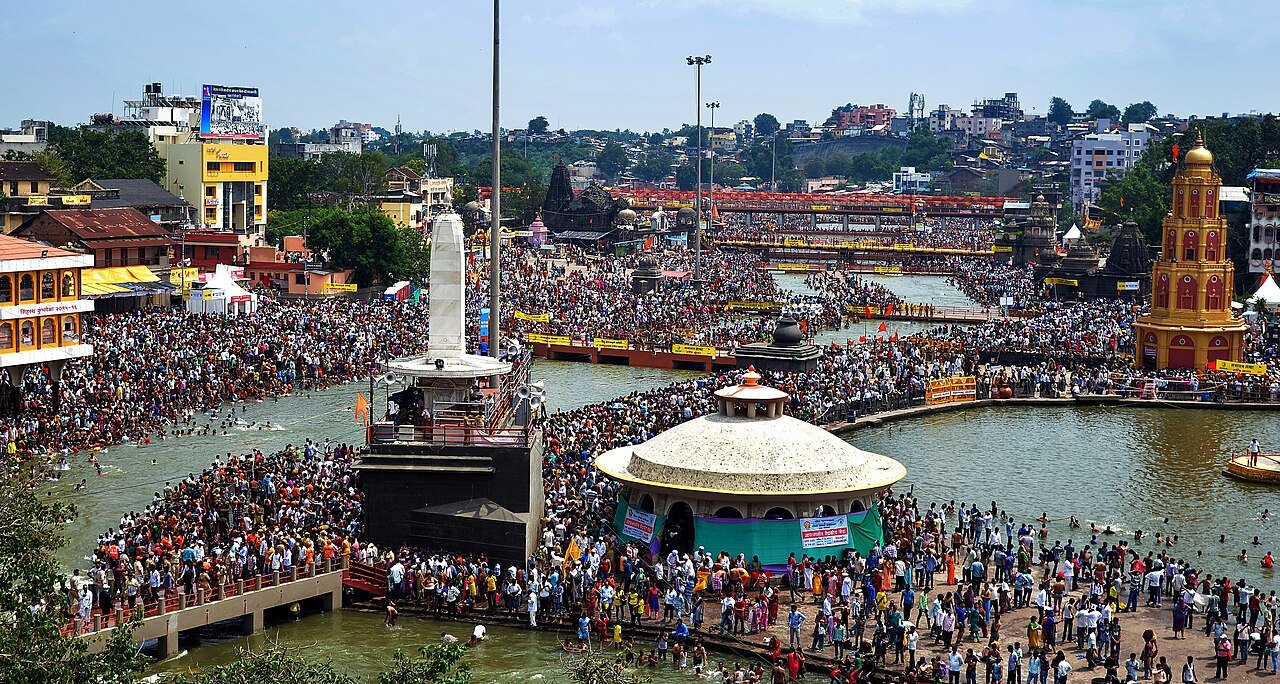
The temple's significance is also tied to geography: it sits near the source of the Godavari River, one of India's holiest waterways, often called the "Ganga of the South." This connection between water, mountain, and deity is central to why pilgrims don't just visit the temple — they also make a point of bathing at Kushavarta before or after their darshan.
What Darshan at Trimbakeshwar Involves
Darshan, literally "sacred viewing," is the act of standing before the deity and receiving a moment of spiritual connection. At Trimbakeshwar, this typically follows a simple sequence:
- Queue and entry: Devotees line up outside the temple complex, often from early morning, as the temple opens around 5:30 AM and closes late at night with a few breaks for rituals.
- Approaching the sanctum: Visitors move through the mandapa (hall) toward the garbhagriha (inner sanctum) where the three lingams sit in a small pit, partially filled with water.
- The moment of viewing: Because of the lingam's unusual triple form and its protective crown, the physical darshan itself is brief, but deeply anticipated.
- Special darshan options: On busier days, especially Mondays, Maha Shivratri, and Shravan month, the temple offers paid "special darshan" passes to reduce waiting time, alongside the free general queue.
Unlike some temples, physical touching of the lingam is restricted for preservation and ritual purity — visitors view and offer prayers rather than perform direct abhishekam (ritual bathing of the deity) themselves in the main sanctum.
Respectful Conduct Inside the Temple
Trimbakeshwar maintains stricter conduct norms than many other Shiva temples, partly due to its status as a Jyotirlinga and partly due to local tradition. Visitors should keep the following in mind:
- Dress code: Traditional Indian attire is preferred. Many temple authorities require men to remove shirts before entering the inner sanctum area, and women are expected to wear sarees or salwar suits rather than western clothing.
- Footwear: Shoes and sandals must be removed well before the sanctum, at designated counters outside.
- Photography restrictions: Cameras and mobile phones are generally not allowed inside the core temple premises, particularly near the sanctum.
- Silence and decorum: Loud conversations, physical jostling in queues, and disrespectful behavior toward priests or other devotees are discouraged.
- Ritual offerings: Only specific items — bel leaves, flowers, and prasad purchased from approved stalls — should be offered, in line with priest guidance rather than personal preference.
- Priest guidance: Local priests (guruji) often assist with rituals such as Rudrabhishek or Narayan Nagbali; it's advisable to confirm rates beforehand to avoid confusion, as informal solicitation does occur outside the temple.
Following these norms isn't just about rule-following — it reflects the humility and reverence the ritual is meant to inspire.
Kushavarta: The Sacred Bath, Not the Temple Darshan
One of the most common points of confusion for pilgrims is the relationship between the temple darshan and the ritual bath at Kushavarta Kund, located a short walk from the main temple.
Kushavarta is a stepped, star-shaped tank believed to mark the sacred origin point of the Godavari River. Mythologically, it's linked to sage Gautama and the river's descent to earth, making it comparable in spiritual weight to the Ganga's origin at Gangotri. Pilgrims bathe here for purification, and it's also a customary site for immersing the ashes of the deceased and performing ancestral rites (pind daan).
The key distinction is this:
- Temple darshan is about visual and spiritual connection with the Jyotirlinga — a moment of viewing and prayer inside the sanctum.
- Kushavarta bath is a separate act of physical purification in sacred waters, traditionally performed before entering the temple, not as a substitute for darshan.
Many pilgrims follow a set sequence: bathe at Kushavarta first as an act of purification, then proceed to the temple for darshan in a cleansed, prepared state. Skipping the bath doesn't bar entry to the temple, but for those seeking the complete traditional experience, both elements are considered part of a single pilgrimage.
Planning Your Visit
Trimbakeshwar is roughly 30 kilometers from Nashik city and well-connected by road. Weekdays tend to have shorter queues than weekends and festival days. Comfortable, modest clothing, minimal belongings (to speed through security checks), and a willingness to queue calmly will make the visit smoother.
Ultimately, a visit to Trimbakeshwar is more than a sightseeing stop — it's a layered ritual experience combining architecture, mythology, water, and worship. Understanding the difference between darshan and the Kushavarta bath, and approaching both with the right conduct, helps visitors engage with the site the way it's meant to be experienced: with humility, patience, and reverence.
Source: Trimbak Darshan · trimbakstore.com