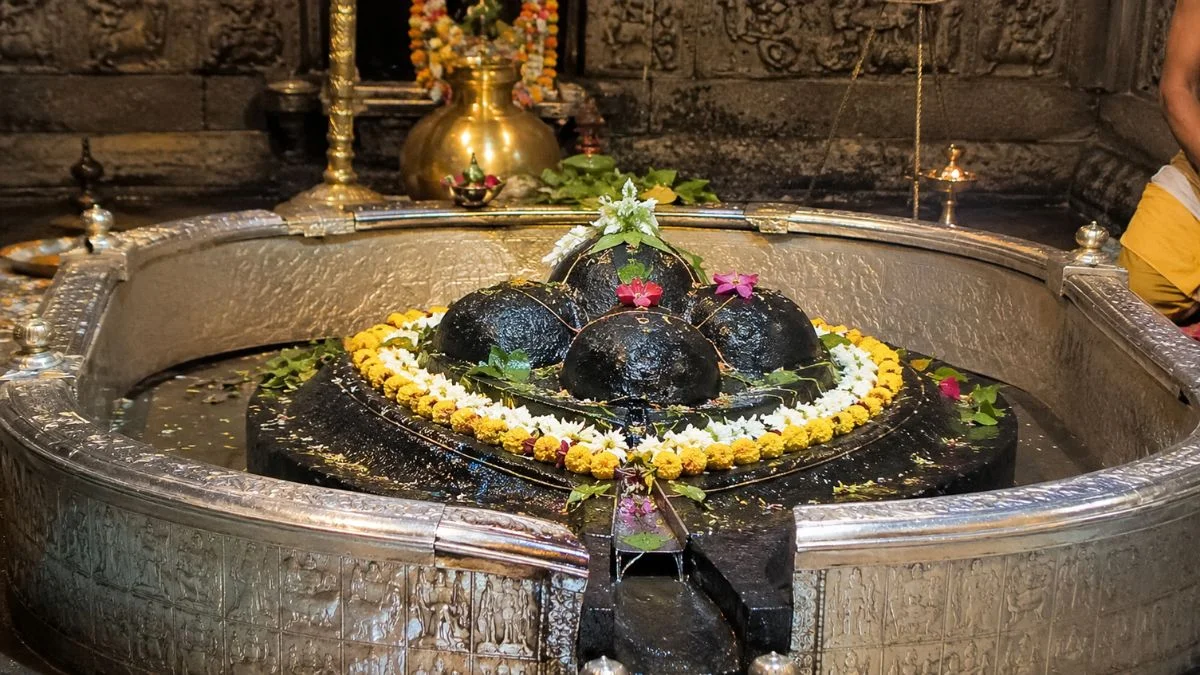
Nestled at the base of the Brahmagiri hills near Nashik, Maharashtra, Trimbakeshwar Temple is one of the twelve sacred Jyotirlingas of Lord Shiva and the origin point of the holy Godavari River. Beyond its architectural grandeur and spiritual significance, Trimbakeshwar is renowned across India for a set of highly specific pujas and rituals that devotees travel from across the country to perform. These ceremonies are believed to remove ancestral curses, planetary afflictions, and karmic obstacles that other temples do not typically address. This guide walks through the major rituals conducted at Trimbakeshwar, why they are performed, and what pilgrims should know before visiting.
Why Trimbakeshwar Is Different
Unlike many Shiva temples that focus primarily on daily worship and darshan, Trimbakeshwar has developed a unique reputation as the go-to destination for dosh nivaran (affliction removal) ceremonies. This is largely because of its location at the source of the Godavari and its status as a Jyotirlinga, which lends the rituals performed here exceptional spiritual weight according to Hindu tradition. Priests here, known as Gurujis, are trained specifically in Vedic rituals passed down through generations, and many families return to Trimbakeshwar for generational puja needs.
Major Pujas and Rituals at Trimbakeshwar
1. Kalsarpa Dosh Nivaran Puja
One of the most sought-after ceremonies at Trimbakeshwar, this puja is performed for individuals whose birth chart shows Kalsarpa Dosh, an astrological condition where all planets are positioned between Rahu and Ketu. This affliction is believed to cause obstacles in career, marriage, health, and general prosperity. The ritual typically takes a few hours and involves chanting of specific mantras, offerings to Rahu and Ketu, and an abhishek (ritual bathing) of the Shiva Linga.
2. Narayan Nagbali Puja
This is perhaps the most elaborate and lengthy ritual performed exclusively at Trimbakeshwar (it is not conducted at most other temples). Narayan Nagbali is performed to appease ancestors whose souls have not attained peace, as well as to atone for the unintentional killing of a snake (Naga) in this or a past life. Spread across three days, the ceremony includes Narayan Bali, Nagbali, and Narayan Nagbali segments, each involving specific offerings, symbolic effigies, and detailed rituals conducted under the guidance of qualified priests.
3. Tripindi Shraddha
Tripindi Shraddha is performed to bring peace to three generations of ancestors and to resolve pitru dosh, a condition believed to arise when ancestors' souls remain unsatisfied. This puja is especially recommended for families experiencing repeated misfortunes, unexplained illnesses, or delays in important life events like marriage. The ritual involves offering pindas (rice ball offerings) and performing specific mantras dedicated to forefathers.
4. Rudrabhishek
Rudrabhishek is a devotional ritual involving the ceremonial bathing of the Shiva Linga with sacred substances such as milk, honey, curd, ghee, and holy water, accompanied by chanting of the Rudra mantra from the Vedas. This puja is performed for general well-being, health, prosperity, and removal of obstacles. It can be done as a simple daily ritual or an elaborate version involving multiple priests (Maha Rudrabhishek).
5. Kaal Sarp Shanti and Grah Shanti Puja
Alongside Kalsarpa Dosh, many devotees seek Grah Shanti Puja to pacify malefic planetary positions such as Shani (Saturn) or Mangal (Mars) in their horoscope. This puja aims to reduce the negative effects of planetary transits and is often recommended by astrologers before major life decisions like marriage, starting a business, or buying property.
6. Mahamrityunjaya Jaap
This ritual centers around the powerful Mahamrityunjaya mantra, dedicated to Shiva as the conqueror of death. It is performed for healing, protection from untimely death, and overall spiritual strength, particularly by those facing serious illness or life-threatening situations.
What to Expect When Visiting
Most of these pujas require advance booking, either online through the temple's official channels or through registered priests (Gurujis) associated with the temple trust. Pilgrims are generally advised to:
Confirm puja timings and duration in advance, as rituals like Narayan Nagbali span multiple days
Carry necessary documents or details (birth chart, names of ancestors) as required by the specific ritual
Dress modestly and follow temple guidelines regarding attire
Be prepared for costs that vary depending on the complexity and duration of the puja
A Word of Caution
Because of Trimbakeshwar's popularity, it's important for visitors to verify that any priest or puja package is officially sanctioned by the temple trust, and to get clarity on costs before committing, as unregulated intermediaries sometimes operate around popular pilgrimage sites.
Conclusion
Trimbakeshwar Temple stands out not just as a Jyotirlinga but as a spiritual center offering some of the most specialized rituals in Hindu tradition. Whether one visits for Kalsarpa Dosh Nivaran, Narayan Nagbali, Tripindi Shraddha, or simple Rudrabhishek, these ceremonies reflect centuries of Vedic tradition aimed at restoring balance, peace, and prosperity in devotees' lives. For anyone planning a spiritual journey rooted in astrology, ancestral peace, or devotion to Shiva, Trimbakeshwar remains one of the most significant destinations in India.
This article is intended for informational purposes. Devotees are encouraged to consult with registered temple priests or the official Trimbakeshwar Temple Trust for accurate booking procedures, current pricing, and ritual specifics.